What are your opinions about Air Conditioner Frozen? How To Fix your Frozen AC Line?
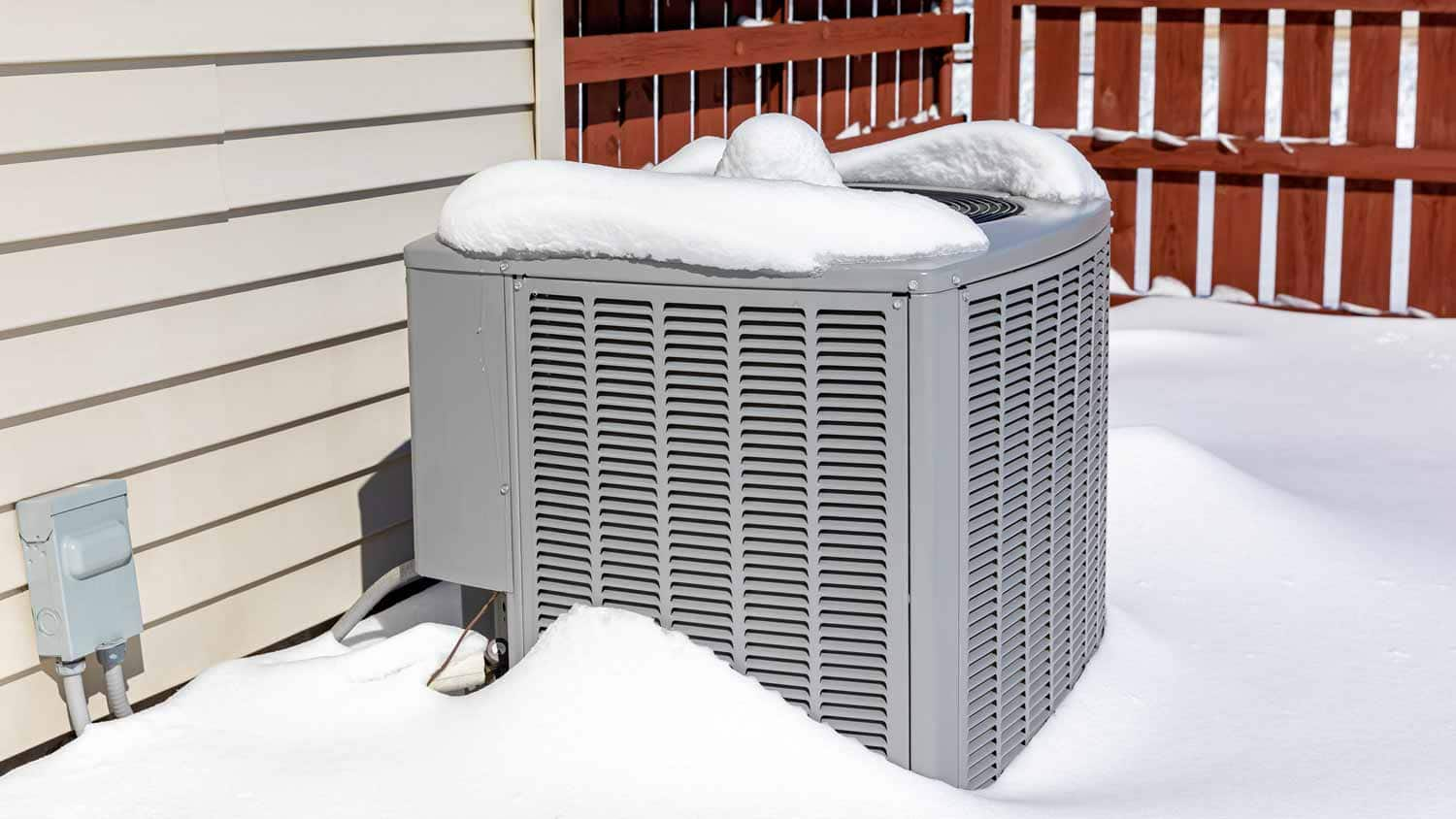
Intro
Discovering that your air conditioner pipe is frozen can be worrying, especially during warm summer months when you depend on your air conditioning unit one of the most. Recognizing what to do in such a circumstance is critical to prevent additional damages to your air conditioning system and ensure your comfort inside your home.
Recognizing the Causes
Several elements can add to the freezing of an air conditioning pipeline. Recognizing these reasons can help you deal with the problem properly.
Absence of Airflow
One common reason for an icy air conditioner pipe is inadequate airflow. When the air flow over the evaporator coil is restricted, it can cause the coil to drop below freezing temperature level, leading to ice development on the pipeline.
Low Refrigerant Levels
Not enough refrigerant levels in your air conditioner system can also lead to an icy pipe. Low cooling agent degrees can cause the pressure in the system to go down, resulting in the cold of dampness on the evaporator coil.
Cold Weather Conditions
In chillier environments, freezing temperature levels outside can contribute to the freezing of a/c pipelines. If your AC system is not effectively insulated or if there are leaks in the ductwork, chilly air can penetrate the system, causing the pipe to freeze.
Dirty Air Filters
Filthy or stopped up air filters can limit airflow in your a/c system, bring about various issues, including a frozen pipe. It's important to change or cleanse your air filterings system routinely to guarantee correct air movement and prevent ice buildup.
Signs of a Frozen Air Conditioning Pipe
Acknowledging the indications of a frozen a/c pipeline is vital for punctual activity.
Reduced Airflow
If you notice a significant decrease in airflow from your vents, it could indicate an icy pipeline.
Ice Buildup on the Pipe
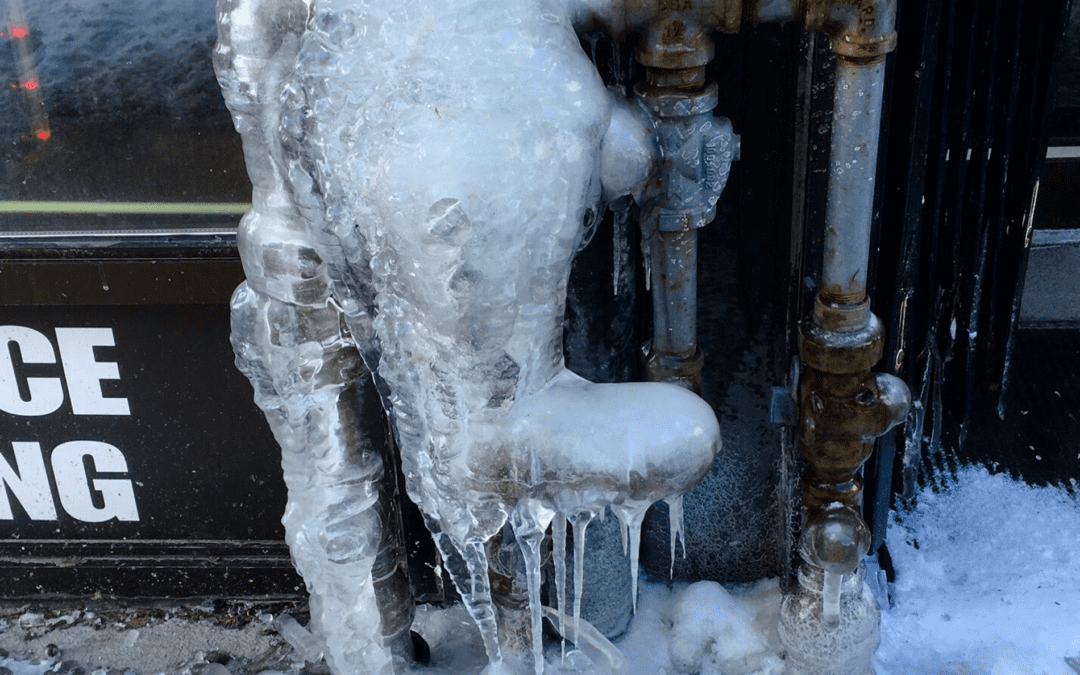
Noticeable ice build-up on the cooling agent line or the evaporator coil is a clear sign of an icy air conditioner pipeline.
Odd Sounds from the Unit
Unusual audios, such as hissing or gurgling, coming from your air conditioning system can signal that there's ice present on the pipe.
Immediate Actions to Take
When faced with a frozen AC pipe, it's essential to act promptly to avoid more damages to your cooling system.
Shutting off the a/c
The first step is to switch off your ac unit to avoid the system from running and exacerbating the concern.
Checking for Blockages
Evaluate the area around the indoor device for any type of blockages that may be obstructing airflow, such as furnishings or curtains.
Defrosting the Pipe
You can use gentle techniques like placing towels soaked in cozy water around the frozen pipeline to help thaw it slowly.
Safety nets
Taking preventive measures can assist avoid future occurrences of a frozen air conditioner pipe.
When DIY Methods Fail
If your efforts to thaw the pipeline or address other problems are not successful, it's time to contact a specialist.
Significance of Hiring a Professional HVAC Technician
A qualified HVAC professional has the competence and devices required to identify and fix issues with your air conditioning system securely and effectively.
Regular Maintenance Checks
Arrange normal upkeep checks with an expert HVAC service technician to ensure that your air conditioning system is running effectively.
Transforming Air Filters
Regularly replace or clean your air filters to avoid air movement limitations and preserve optimum efficiency.
Shielding Exposed Pipes
If your AC pipes are subjected to chilly temperature levels, take into consideration shielding them to stop cold during cold weather.
Seeking Professional Help
If DIY approaches fail to solve the issue or if you're not sure concerning how to proceed, it's best to seek assistance from a qualified HVAC technician.
Conclusion
Dealing with a frozen AC pipeline can be an irritating experience, yet recognizing just how to react can assist reduce damage and restore comfort to your home. By understanding the reasons, identifying the indications, and taking prompt action, you can effectively address the concern and protect against future events.
Why Is My AC Pipe Frozen? Uncovering the Root Cause
Understanding the Science Behind AC Pipe Freezing
If your AC pipe is frozen, there are a few things that could be causing the problem. One possibility is that the temperature outside is too cold for the pipe to function properly. Another possibility is that there is a blockage in the pipe that is preventing the flow of refrigerant.
If you think that your AC pipe is frozen, you should call a professional to come and take a look at the problem.
If you notice that your AC pipe is frozen, it’s important to take action right away. A frozen AC pipe can lead to serious damage to your AC unit and your home.
Here are a few reasons why your AC pipe may be frozen:
The temperature outside is too cold. If it’s cold enough outside, the air can actually freeze the water in your AC unit. This can lead to a build-up of ice, which can then block the flow of air and cause your AC unit to overheat. 2. There’s a problem with your AC unit. If your AC unit isn’t working properly, it can cause the surrounding air to cool down too much. This can lead to the water in your unit freezing. 3. There’s a problem with your home’s insulation. If your home isn’t properly insulated, the cold air can seep in and cause the water in your AC unit to freeze. How do I stop my AC pipes from freezing?
First, check the insulation on your pipes. If it is old or damaged, it may be time to replace it.
You can also wrap the pipes in heating tape, which will help to keep the heat in and prevent the pipes from freezing.
Finally, make sure that your AC unit is properly maintained and that the filters are clean. This will help to ensure that the unit is working properly and that the air flow is not restricted.
To prevent your AC pipes from freezing, there are several steps you can take.
<1.Check your air filter and replace it if it’s dirty. A dirty filter can restrict airflow and cause the evaporator coil to freeze. 2. Ensure that your thermostat is set to the correct temperature. Keeping your home too cold can cause the pipes to freeze. 3. Inspect your ductwork for any leaks or damage that could be causing the system to work harder than necessary. 4. Keep your home’s humidity levels in check. High humidity can cause the evaporator coil to freeze. 5. Consider installing a freeze sensor, which will shut down the system if it detects that the pipes are starting to freeze.
As an avid person who reads about Air Conditioner Frozen? How To Fix your Frozen AC Line, I assumed sharing that blog post was beneficial. Make sure you set aside a second to distribute this write-up if you appreciated it. Thank-you for going through it.
Additional Information