Nearly everybody seems to have their own individual theory on the subject of Hard Water Effects on Plumbing and Solutions.

Tough water, a typical problem in lots of houses, can have substantial effect on pipes systems. Recognizing these results is essential for maintaining the longevity and effectiveness of your pipes and fixtures.
Intro
Hard water is water that contains high levels of liquified minerals, largely calcium and magnesium. These minerals are harmless to human wellness but can ruin pipes framework over time. Let's delve into just how difficult water affects pipes and what you can do regarding it.
What is Hard Water?
Hard water is characterized by its mineral content, specifically calcium and magnesium ions. These minerals get in the water system as it percolates via sedimentary rock and chalk down payments underground. When hard water is heated up or delegated stand, it has a tendency to form scale, a crusty build-up that follows surfaces and can create a range of issues in plumbing systems.
Effect on Piping
Difficult water influences pipes in numerous detrimental ways, primarily with scale build-up, minimized water circulation, and enhanced corrosion.
Range Accumulation
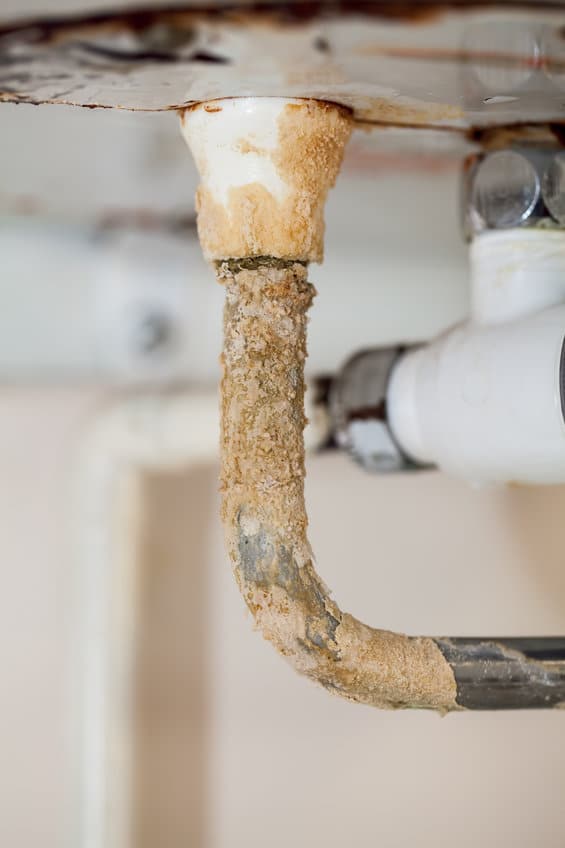
Among the most usual problems brought on by tough water is scale build-up inside pipes and components. As water flows via the plumbing system, minerals speed up out and comply with the pipeline wall surfaces. Over time, this accumulation can tighten pipe openings, bring about reduced water circulation and increased pressure on the system.
Lowered Water Flow
Mineral deposits from difficult water can slowly lower the size of pipelines, limiting water circulation to taps, showers, and appliances. This reduced circulation not only influences water stress yet also increases power intake as home appliances like hot water heater need to work harder to deliver the exact same quantity of warm water.
Deterioration
While difficult water minerals themselves do not cause rust, they can exacerbate existing deterioration issues in pipelines. Range buildup can catch water versus steel surfaces, accelerating the deterioration procedure and possibly resulting in leakages or pipe failure in time.
Home appliance Damage
Past pipelines, difficult water can additionally damage house appliances connected to the water system. Home appliances such as water heaters, dishwashing machines, and washing equipments are specifically prone to range accumulation. This can lower their performance, rise upkeep prices, and reduce their lifespan.
Costs of Hard Water
The monetary effects of tough water prolong beyond plumbing fixings to include raised energy expenses and premature device substitute.
Repair Prices
Handling difficult water-related concerns can be expensive, particularly if range accumulation leads to pipe or device failure. Normal upkeep and early detection of issues can assist minimize these expenses.
Energy Efficiency
Range buildup minimizes the efficiency of water heaters and various other appliances, leading to higher power intake. By attending to hard water problems promptly, house owners can boost energy performance and reduce utility costs.
Checking and Treatment
Evaluating for hard water and carrying out appropriate therapy steps is key to minimizing its impacts on pipelines and devices.
Water Conditioners
Water conditioners are one of the most common remedy for dealing with hard water. They function by trading calcium and magnesium ions with sodium or potassium ions, properly decreasing the solidity of the water.
Various Other Treatment Alternatives
Along with water conditioners, various other therapy alternatives consist of magnetic water conditioners, reverse osmosis systems, and chemical ingredients. Each method has its advantages and viability depending on the severity of the difficult water problem and family requirements.
Safety nets
Stopping difficult water damages needs a mix of positive maintenance and thoughtful component option.
Regular Maintenance
Routinely flushing the pipes system and checking for scale accumulation can help protect against costly fixings down the line. Routine checks of home appliances for signs of scale buildup are likewise important.
Selecting the Right Fixtures
Going with pipes components and home appliances created to hold up against difficult water problems can reduce its results. Search for items with corrosion-resistant materials and easy-clean features to minimize upkeep needs.
Conclusion
In conclusion, the effects of tough water on pipelines and appliances are substantial however workable with correct understanding and safety nets. By recognizing how difficult water impacts your pipes system and taking positive actions to minimize its effects, you can extend the life of your pipes, improve energy performance, and reduce maintenance prices in the long run.
How Hard Water Affects Your Plumbing System
Effects Of Hard Water On Your Plumbing
Corrosion
The corrosive properties of magnesium and calcium damage certain metal types used in plumbing. As the minerals break down the metals, water becomes discolored and leads to leaks. If the corroded section is not repaired, the plumbing starts to disintegrate.
Reduced Water Flow
As scale accumulates in pipes, it narrows the pipes’ pathways through which water flows. This can result in reduced water flow from faucets and showerheads. Over time, the diminished water flow can become a significant inconvenience, affecting daily activities such as showering, washing dishes, or doing laundry.
Clogged Faucets and Showerheads
Faucets and showerheads are particularly susceptible to scale buildup. The minerals in hard water can accumulate around the openings of these fixtures, leading to clogs. This reduces water flow and affects the effectiveness of these fixtures. Regular cleaning may be required to maintain optimal performance.
Appliance Damage
Beyond plumbing fixtures, hard water can damage various household appliances. Appliances that use water, such as washing machines and dishwashers, may experience reduced efficiency and a shortened lifespan due to scale accumulation.
Reduced Water Quality
Your plumbing system is the primary water source for delivering clean water. You use this water for daily tasks, including bathing, washing clothes, cooking, etc. Some people even drink tap water, and though a little salt in water is safe for consumption, it damages your skin and hair and doesn’t have a friendly relationship with your appliances.
Hard water minerals interfere with the workings of detergents and soap, making it difficult to remove food stains, oil and dirt, and other substances. Because of this, you end up using a large amount of cleaning products. You will notice that your new clothes now have a dull, gray appearance and the old ones have become weak.
Water Heater Damage
Hard water can also impact the efficiency of water heaters. The heating elements in water heaters can become coated with scale, reducing their ability to transfer heat to the water. Hence, the water heater uses more energy to reach the desired temperature, increasing energy bills. Additionally, the scale buildup can contribute to the deterioration of the water heater over time.
https://www.bobhoeglerplumbing.com/blog/2023/11/30/how-hard-water-affects-your-plumbing-system/
Hopefully you liked our section on The Impact of Hard Water on Your Plumbing. Thanks for taking time to browse our piece. Appreciated our write up? Please quickly share it. Let somebody else locate it. We thank you for reading our article about Understanding Hard Water: Its Effects on Plumbing.
Schedule A Service Call